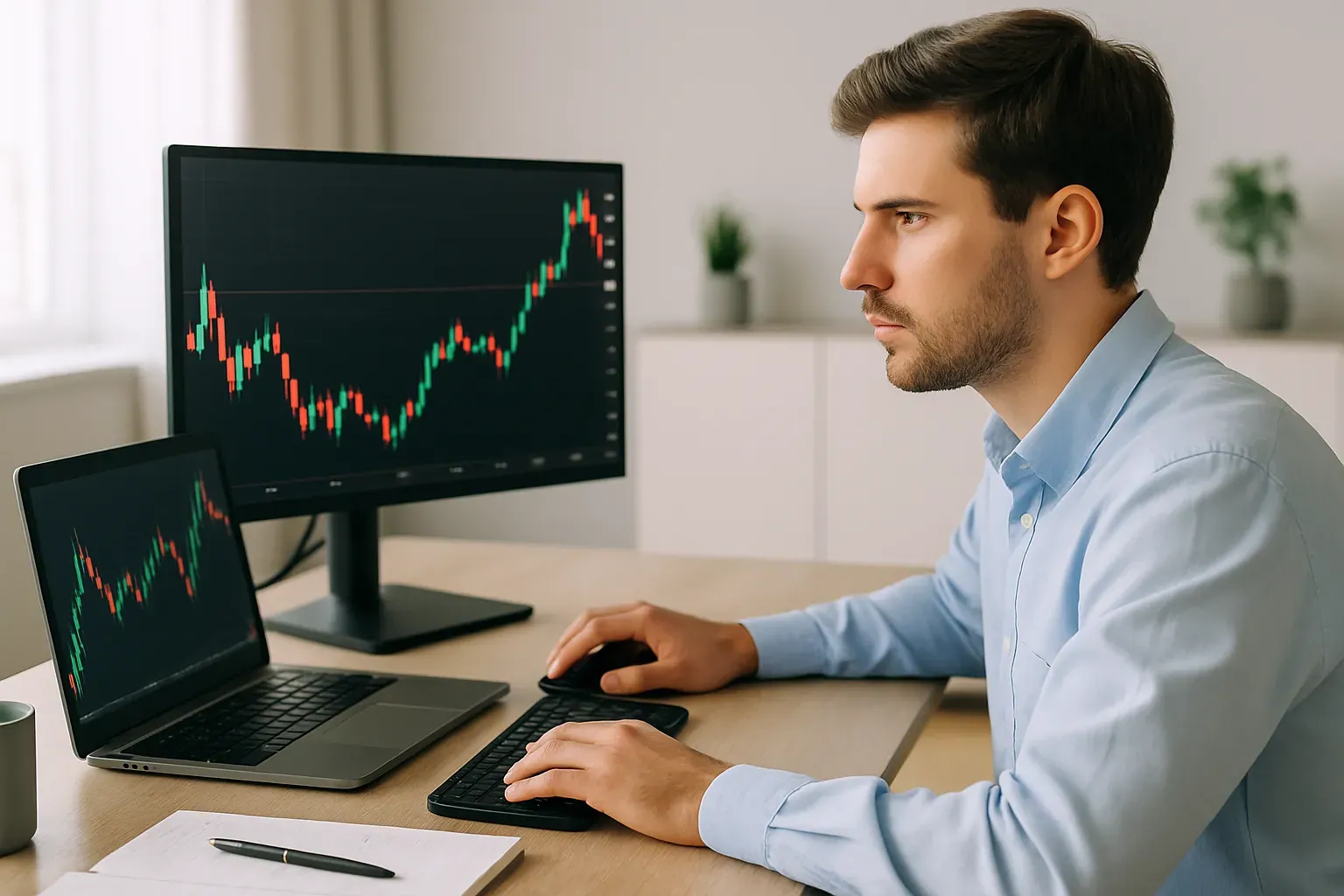
Introduction: Why Use a Day Trading Simulator?
Prop trading and funded accounts have exploded in popularity, and for good reason. They offer traders access to capital without the need to risk their own money upfront. But here's the catch: you need to prove you can trade consistently and manage risk before a firm like SMP Fund hands you a funded account. That's where a day trading simulator comes in. It gives you a realistic, risk-free environment to sharpen your skills, test strategies, and prepare for the challenges ahead. This guide walks you through how simulators work, why they matter, and how to use them effectively on your path to becoming a funded trader.
What Is Trading? A Quick Overview
Trading means buying and selling financial instruments—stocks, forex, futures, options—with the aim of profiting from price movements. You've got different styles: day trading involves opening and closing positions within the same day, swing trading means holding for days or weeks, and then there's longer-term investing. Prop firms provide traders with capital after they pass a challenge, but success isn't automatic. It demands skill, discipline, and a solid grasp of risk management.
Is There a Simulator for Day Trading?
Absolutely. There are plenty of simulators built specifically for day trading. These platforms let you practice in real-time market conditions using virtual funds. Whether you're drawn to futures trading platforms, forex trading, or option trading, you'll find a simulator that fits your preferred markets and style. Beginners use them to learn the ropes; experienced traders use them to test new strategies without putting real money on the line.
How Does a Day Trading Simulator Work?
A day trading simulator mimics live market conditions using real-time or historical price data. You execute trades, set stop-loss and take-profit orders, and manage positions just like you would with a live futures trading account or brokerage account. Most simulators offer:
- Access to multiple markets (stocks, forex, futures, options)
- Real-time or slightly delayed market data
- Order entry and management tools
- Performance analytics and trade journals
This realistic setup helps you understand what is trading in practice, without the financial risk.
Can You Realistically Make Money Using a Day Trading Simulator?
You won't earn actual profits from a simulator—it's virtual money, after all. But you can absolutely develop the skills and discipline needed to become profitable when you go live. Simulators are educational tools. They let you:
- Test new strategies without financial consequences
- Spot and fix mistakes in a safe environment
- Build confidence and consistency over time
Keep in mind that simulated results can differ from live trading. Factors like slippage, execution speed, and emotional pressure don't fully translate. Still, if you're consistently profitable in a simulator, that's a strong sign you're ready to tackle a prop firm challenge.
Can You Make $1000 a Day with Day Trading?
The dream of making $1000 a day is tempting, but let's be realistic. Some experienced traders hit high daily profits, but results vary wildly based on skill, market conditions, risk management, and account size. Most prop firms—SMP Fund included—stress the importance of discipline and consistency over chasing big, short-term wins. Focus on building a sustainable strategy rather than fixating on specific dollar targets each day. That's what separates traders who last from those who blow up.
Is $100 Enough to Day Trade?
Technically, yes—you can start day trading with $100 on some platforms, especially in forex trading or with brokers offering micro accounts. But with such a small balance, your position sizes and profit potential will be tiny, and transaction costs can eat into your returns quickly. Most prop firm challenges require a higher starting balance because they're testing your ability to manage larger accounts responsibly. Practicing in a trading simulator is a smarter way to build skills before you commit more capital.
What Are the Benefits of Using a Day Trading Simulator Before Attempting a Prop Firm Challenge?
Using a day trading simulator offers several clear advantages when you're preparing for a prop firm challenge:
- Risk-Free Practice: Build and test your trading strategies without risking a dime.
- Familiarity with Platforms: Get comfortable with futures trading platforms and order management tools before it counts.
- Performance Tracking: Analyze your trades, identify strengths and weaknesses, and refine your approach based on data.
- Emotional Preparation: Experience the highs and lows of trading in a safe space, helping you manage emotions when real money is on the line.
- Challenge Readiness: Simulate the rules and conditions of prop firm challenges so you know exactly what to expect.
At SMP Fund, we encourage traders to use simulators as part of their preparation. Our challenge rules reward skill, consistency, and sound risk management—traits you can develop through disciplined practice in a trading simulator.
How to Choose and Use a Day Trading Simulator
When picking a simulator, keep these factors in mind:
- Market Access: Does it offer the instruments you want to trade (stocks, forex, futures, options)?
- Realism: Look for simulators with accurate order execution and realistic trading conditions.
- Analytics: Choose platforms that provide detailed performance reports and trade journals.
- User Experience: A clean, intuitive interface lets you focus on learning instead of wrestling with technology.
Start by simulating the rules and account sizes of your target prop firm challenge. Track your progress, review your trades regularly, and gradually increase the complexity of your strategies as your skills improve. Treat it like the real thing—because the habits you build now will carry over.
Conclusion: Practice Today for Prop Trading Success
A day trading simulator is one of the most valuable tools you can use if you're serious about passing a prop firm challenge and managing a funded account. By practicing in a realistic, risk-free environment, you build the skills, discipline, and confidence needed to succeed when it matters. When you're ready to take the next step, explore SMP Fund challenges and rules on the site to see how your practice can translate into real trading opportunities.
Trading involves risk. Past performance does not guarantee future results. This content is educational, not financial advice.